

Dear reader, can you remember what is was like to be a child at play? And if you were ever able to play all day, you may very well not be able to recall a fonder, more joyous feeling in your entire life.
If the reader has ever seen me interact with a child, you will know that I immediately transform into a profoundly “playful” mode.
About six years ago now, when I announced my imminent retirement from teaching elementary school, a concerned and caring colleague came to see me.
“Ben,” she said, “I know you are retiring this year and I worry about you. I seriously worry about your mental health. You have ‘played’ with children all day long for most of your life. What will you do now?”
My colleague was right. I was sometimes verbally reprimanded (or whispered about) by adminstrators or other teachers for having "too much fun” while teaching my students.
“You need to grow up, Mr. Talley,” I even heard directly from one administrator.
(I should also interject here: for every colleague or administrator who didn’t understand my playful interaction with children, there were likely at least ten times as many who did. I am forever grateful for that fact.)
But there was “method” to my “madness.” I had done my research; children learn better when in a playful mode. These days the scientific research has become overwhelming: children better retain whatever it is you are trying to teach them when you reach them with a “sense of play and fun”.
“Make learning fun,” was my teaching mantra.
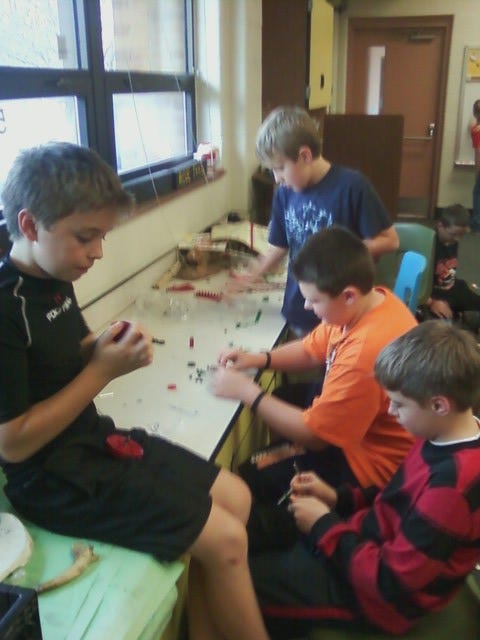
It actually doesn’t take a lot of formal research for any of us to know the value of making learning fun. Watch most any grandparent with their grandchild. Most all of us seem to instinctively know how to engage in fun play with children.
So why don’t all teachers/caregivers “play all day” with their students, especially in public schools?
There are likely two great factors. One is surely the “control” factor. Teachers and administrators are constantly, moment by moment, keenly aware of “losing control” of a classroom. It is perhaps a classroom teacher’s greatest fear when supervising a group of children.
The other great factor may be visual. If children are not seen sitting at their desks quietly (or these days - glued to a computer screen), then it can “appear” that they are not learning as much. And whether we admit it or not, in public education we are often very much about “looking good” to the public. After all, the public pays the taxes that keep us all in business.
However, I found that the public absolutely and overwhelmingly loves it when a teacher integrates a sense of play into their students’ learning.
Yes, it takes a bit of risk to play meaningfully and get silly with a group of children. But the rewards are so unfathomably great, both for the teacher and student alike.
Ask any former student of mine. I am confident they will be quick to tell you that my classroom was filled with intermittent bursts of laughter and a constant “sense of play”.
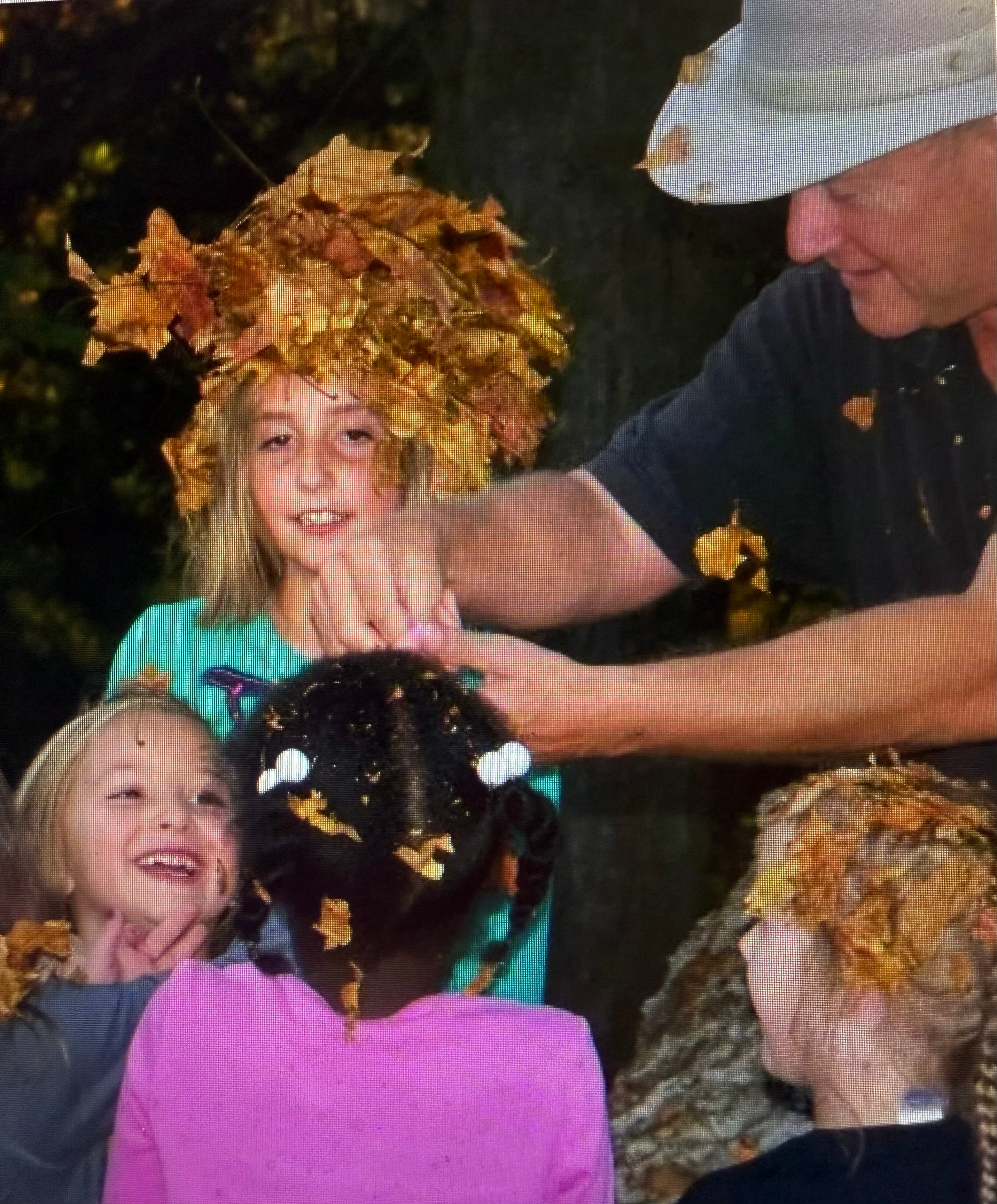
I should add here that I incorporated this same “philosophy of play” into my teaching at the Bristol Jail. It may have, in fact, worked even better there! The men often told me that they had hated school because it was so boring to them. I sought to make it “anything but” boring for them.
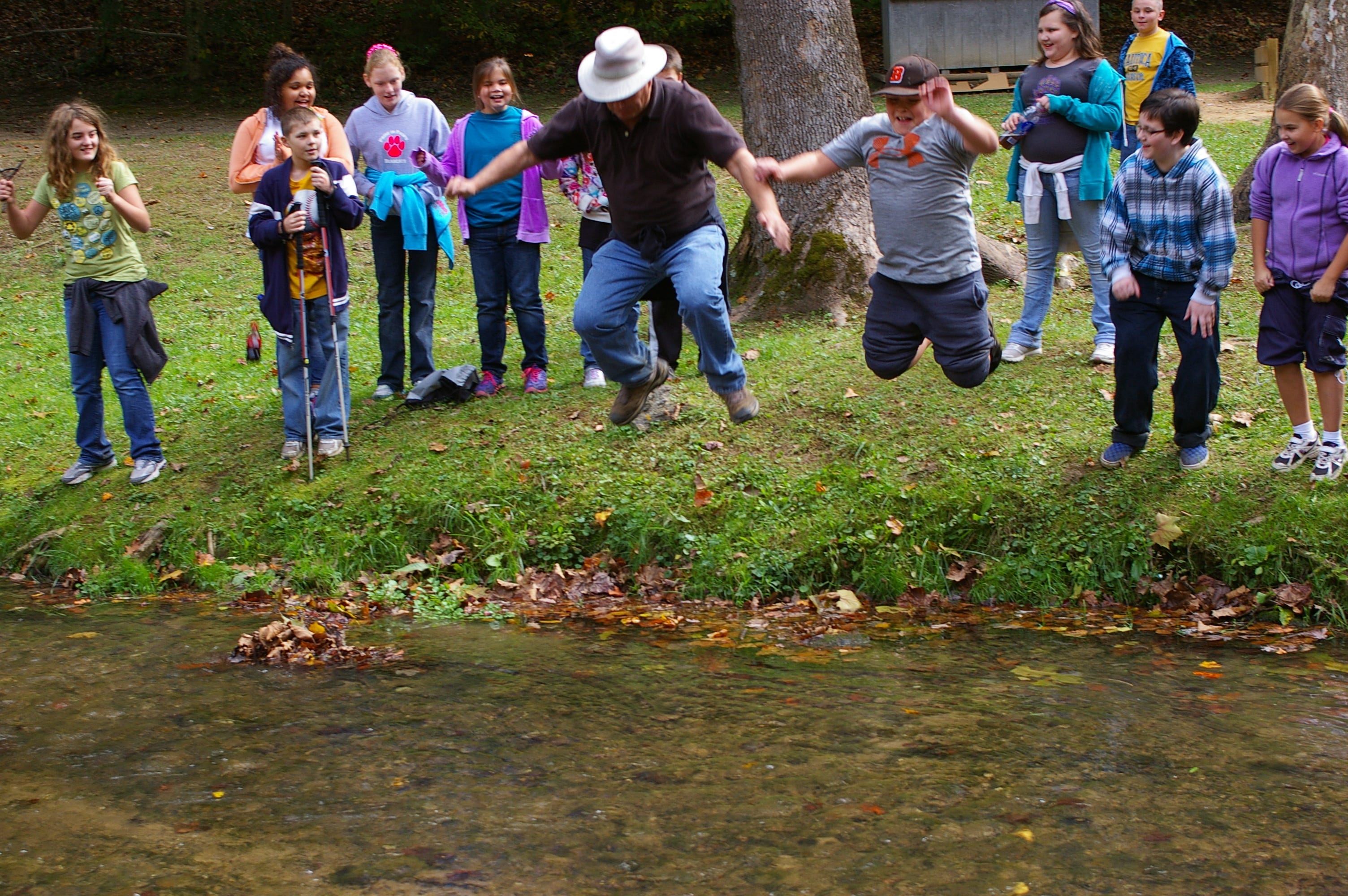
A sense of play makes us all feel young again. And we all know that feeling childlike is good for our minds and our bodies, regardless of the date stated on our birth certificates.
I hereby publicly declare that I fully intend to continue to “play all day”, for as long as my mind will let me.
And someday … when I grow old (I mean really, really old), no one will be able to rightly say that I have entered my second childhood.
Because I will have never left my first one.